
The DP World Port Botany Terminal (PBT) is the only fully manual container terminal facility in the Port Botany precinct. PBT is currently operated with a manual Rubber Tyre Gantry Cranes (RTGs) and Internal Transfer Vehicle (ITV) operation. It is supplemented by forklifts.
DP World is proposing to introduce 2 forms of automated equipment at PBT:
RTGs would be fitted with equipment to enable automated operation (ARTG) and remote-control console (RCC) operation (by exception)
The majority of ITVs would be replaced by Intelligent Guided Vehicles (IGVs).
Under the proposal, ARTGs, forklifts and Reachstackers would interface with IGVs to move containers between trucks, yard stacks and the quayline or rail siding.
What could be the benefits?
The proposal would reduce operational costs and improve safety. There may also be benefits associated with the efficiency of PBTs operations through consistency and continuity of operations. The potential health, safety and environmental improvements include:
Reduction in risk of injuries to operators in ITVs and RTGs. Less exposure to ergonomic and body-stressing risks.
Reduced pedestrian / plant interaction
Reduced light vehicle traffic
Reduction in diesel consumption and CO2 emissions
PROPOSAL
What could change if DP World decides to proceed with the proposal?
RTGs - Containers would be loaded to and from trucks by means of automated or remote controlled RTGs, which means there would no longer be an operator in the cabin of the RTG.
Intelligent Guided Vehicles (IGVs) - The vast majority of ITVs would be replaced by IGVs
Internal Transfer Vehicles (ITVs) - A small number of ITVs would be retained for exception handling (OOG, BBLK, damaged units etc.)
Forklifts - Use of forklifts (and/or Reachstackers) would be restricted to empty containers and exceptions only
What would need to be reviewed?
Traffic Management and Exclusion Zones - Traffic management may need to be reviewed. Mixed traffic or segregation may be considered. An interlock system or similar system may need to be implemented
Processes and Induction - There may be changes to processes and additional training may be necessary
If the proposed automated equipment were introduced, what might PBT operations look like?
-
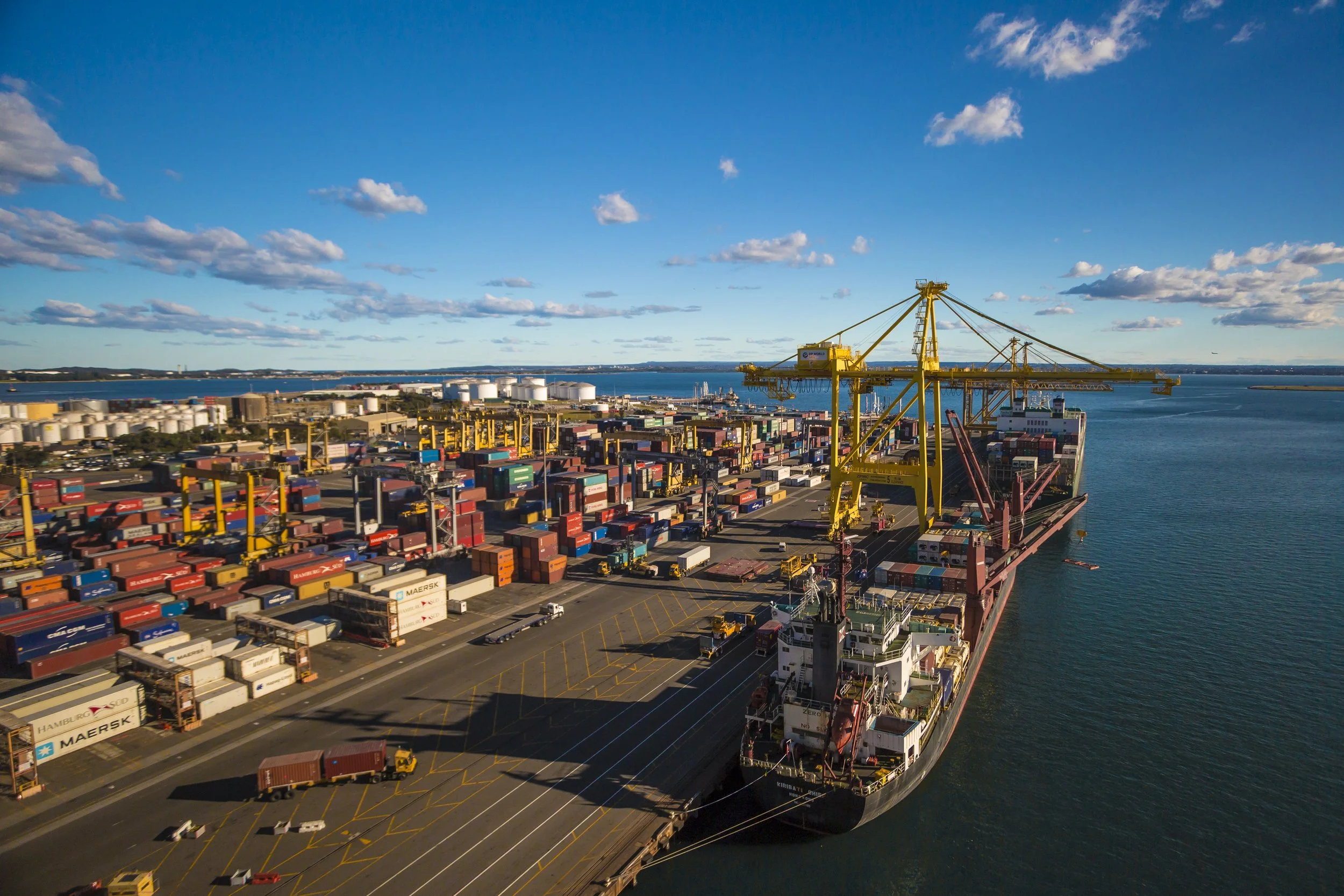
Vessel to Landside
1. Vessel arrives, Quay Crane lifts container onto IGV.
2. IGV drives container to pinning station and/or container stack location.
3. ARTG unloads IGV and places container in stack.
4. Truck arrives at stack and ARTG loads container onto truck.
5. Truck proceeds to terminal exit.
-
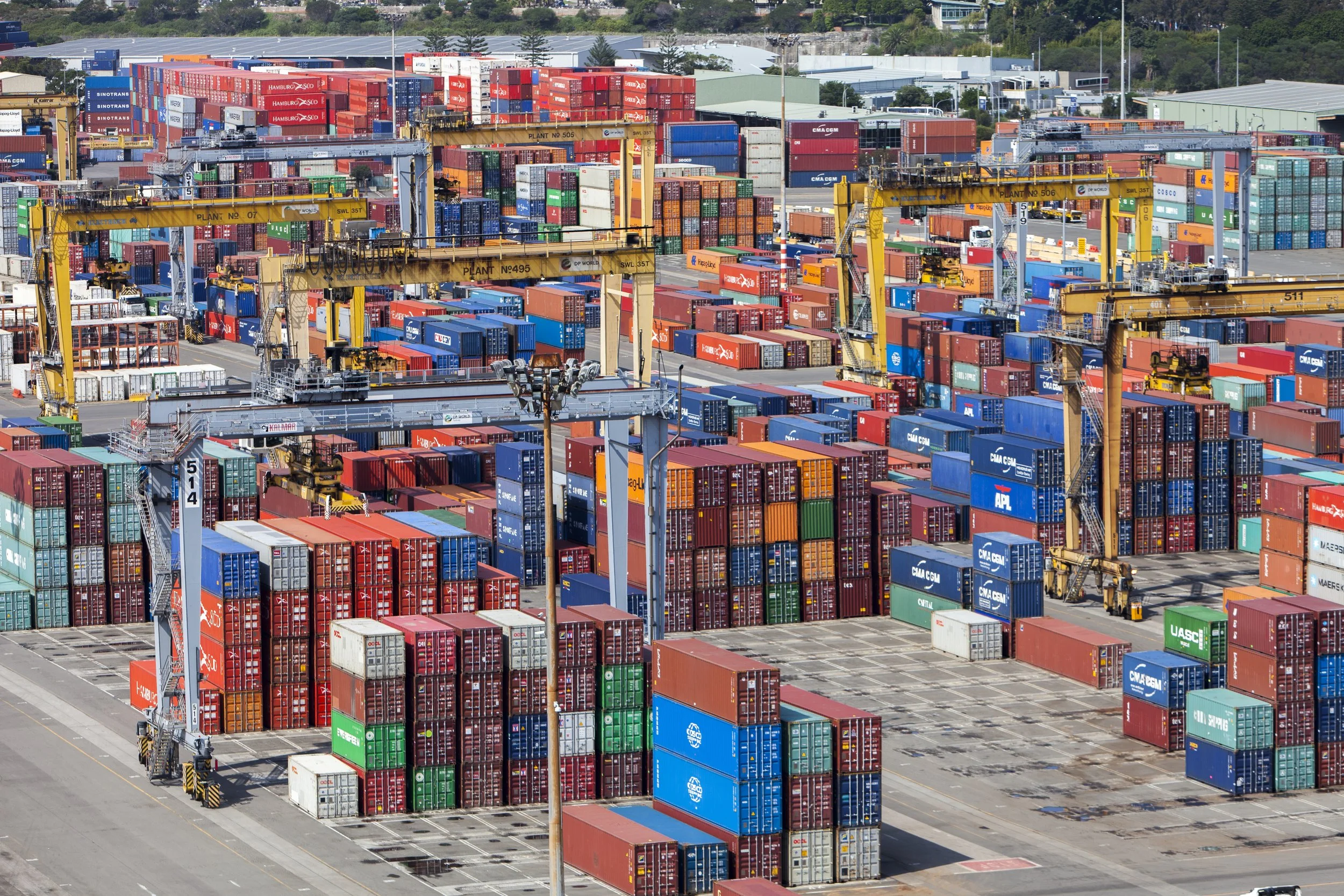
Landside to Vessel
1. Truck delivers container to ARTG.
2. ARTG unloads container and places in stack.
3. Truck proceeds to terminal exit.
4. IGV collects container from stack and delivers it to Pinning station/Quay Crane.
5. Quay Crane lifts container from IGV and places it on the ship.
-
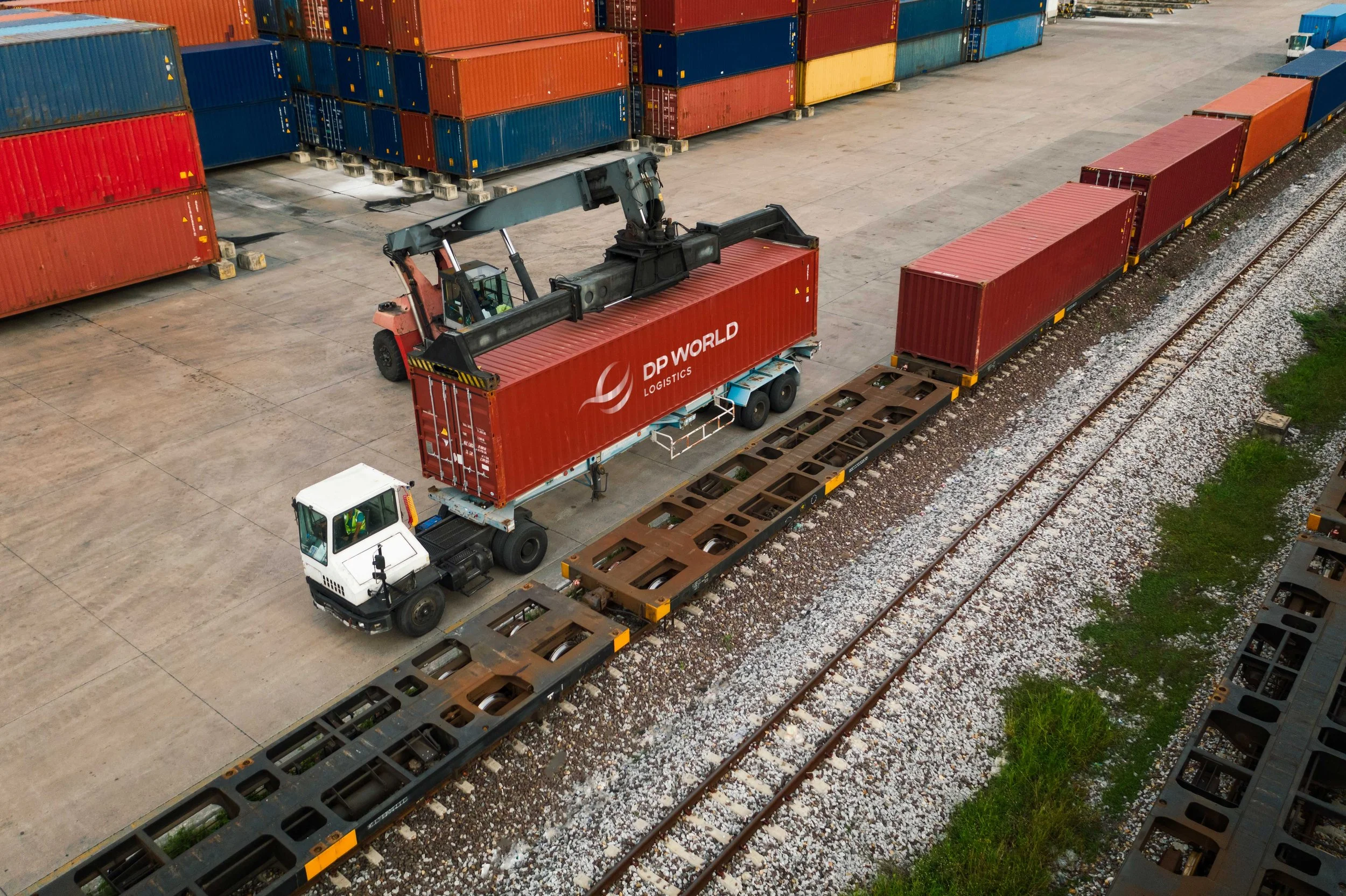
Rail
Rail to Stack
1. Forklift unloads container from rail wagon.
2. Forklift loads container onto IGV.
3. IGV takes Container to Container Stack.
4. ARTG unloads IGV and places container in stack.
Stack to Rail
1. ARTG Places container from stack onto IGV.
2. IGV drives from stack to rail head.
3. Forklift unloads IGV and places container on rail wagon.
-
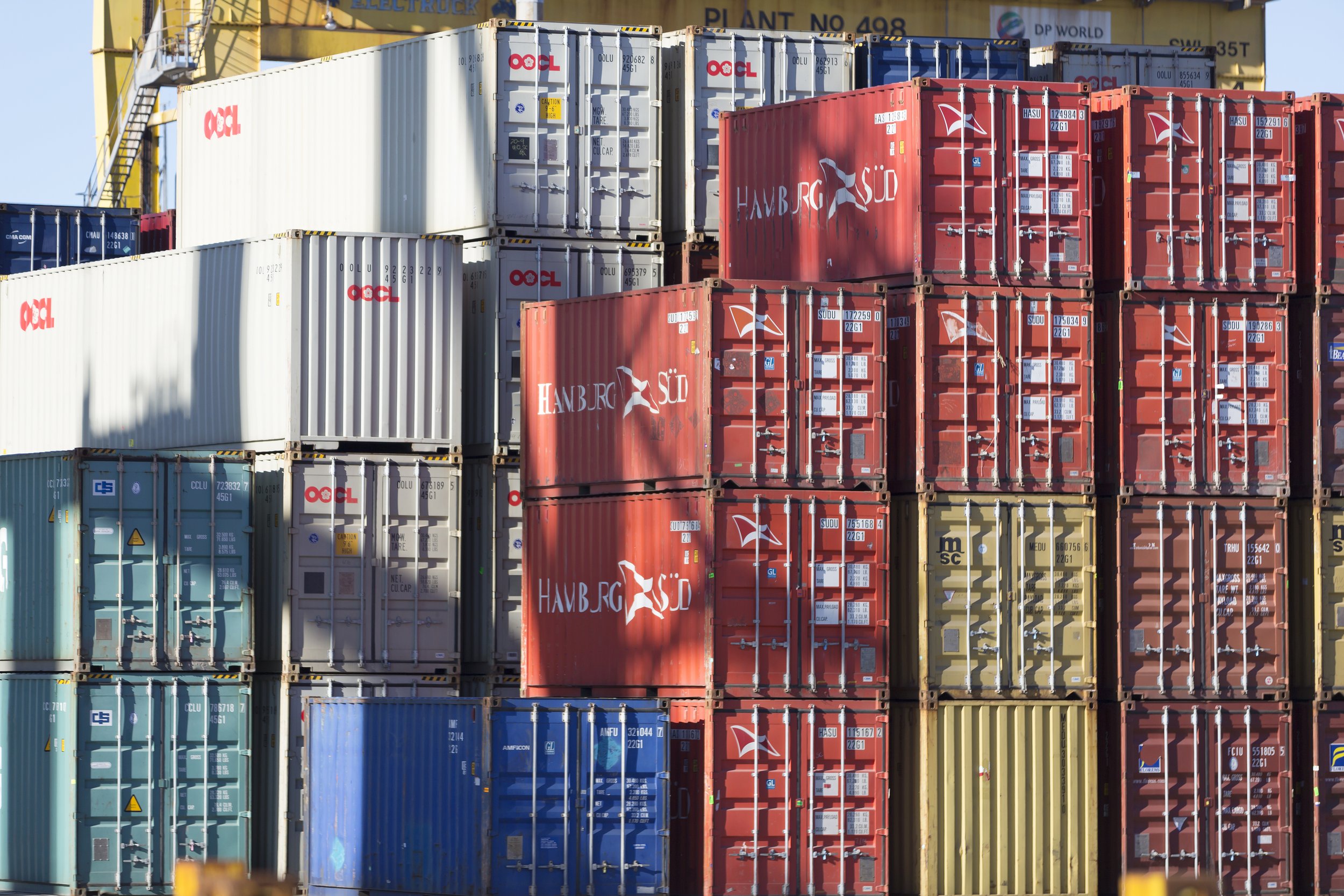
Empty Stack to Vessel
1. IGV attends empty stack to collect container.
2. Forklift loads container onto IGV.
3. IGV drives to pinning station/Quay Crane.
4. Quay Crane lifts container from IGV and places container on ship.